











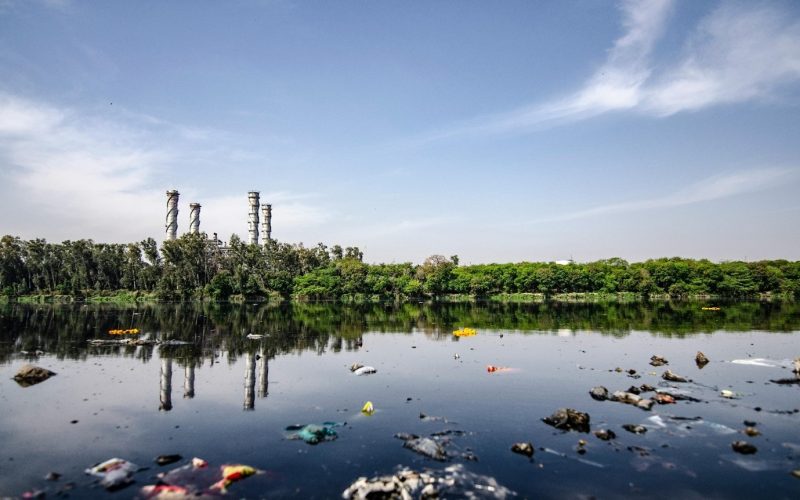
The Global Sustainability Standards Board (GSSB) has launched a public consultation on a comprehensive set of revised GRI Pollution Standards. The initiative seeks to standardise how corporations measure, manage, and communicate their environmental impacts across air, soil, and critical industrial incidents.
The proposed updates come amid rising pressure from regulators, investors, and civil society for businesses to move beyond broad sustainability claims and provide granular, audit-grade disclosures on pollution. To address the multi-faceted nature of industrial waste, the GSSB has convened a 20-member independent working group comprising representatives from science, finance, business, policy, and civil society.
Corporate approaches to tracking chemical footprints and emissions remain largely fragmented, creating compliance hurdles across international value chains. The revised Global Reporting Initiative (GRI) frameworks aim to establish a unified benchmark to harmonise corporate disclosures with scientific data.
“Working across non-profits and global initiatives on chemicals management, I’ve seen how difficult it can be to align scientific knowledge, policy expectations, and business practices,” said Angela Pinilla, Founder of Greenvolve Strategies and lead of the Chemical Footprint Industry Commitments Working Group under the UN Environment Programme. She noted that greater clarity from the upcoming standards would assist organisations in making better-informed operational decisions.
A key focus of the updated standards is the integration of pollution management directly into core corporate governance and project design, rather than treating environmental compliance as an isolated reporting exercise.
Joel Carboni, Founder and President of Green Project Management, emphasised that execution remains a primary hurdle for many enterprises. “Pollution is too frequently handled in silos, instead of being built into how projects are designed, delivered, and measured,” Carboni stated. “What makes GRI’s new approach to pollution reporting valuable is its focus on structure and integration. It gives companies a more practical way to connect impacts with performance.”
For the financial sector, the lack of standardised pollution metrics has complicated the assessment of long-term operational and regulatory risks, particularly concerning liabilities from industrial incidents and soil contamination.
Institutional investors are increasingly viewing strict pollution controls as a proxy for corporate resilience. Caroline Boden, Director of Shareholder Advocacy at Mercy Investment Services, highlighted that clear disclosures allow asset managers to distinguish between proactive and reactive companies. “A stronger, more standardised approach to disclosure can support that, helping investors make better-informed decisions and direct capital toward more responsible and resilient business practices,” Boden explained.
The exposure drafts for air pollution, soil pollution, and critical incidents are currently undergoing review, marking a pivotal shift toward rigorous, transparent accountability in global sustainability reporting.