



DHL Group has announced plans to invest approximately €160 million in its French operations between 2026 and 2027, focusing on capacity expansion, infrastructure upgrades, and emissions reduction across its domestic divisions.
The upcoming expenditure brings the company’s total capital commitment in France to nearly €900 million over the 10-year period spanning 2018 to 2027.
Tobias Meyer, Chief Executive Officer of DHL Group, stated that France serves as a vital logistics hub in Europe and a key market for the company. He noted that the investment is intended to strengthen infrastructure, grow capabilities, and accelerate the transition toward low-emissions logistics, supporting customer growth while contributing to regional competitiveness.
The €160 million allocation will be distributed across the company’s core business units operating within France:
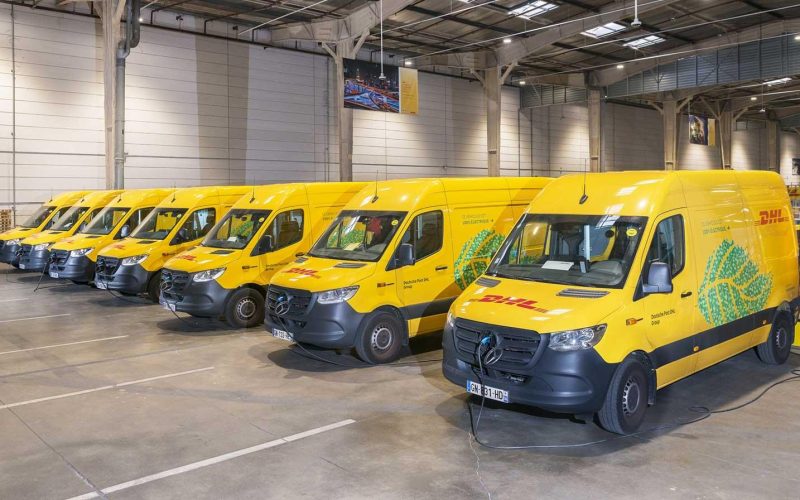
DHL Express will direct funds toward fleet modernisation, electrification, charging infrastructure, and operational equipment. This follows previous regional projects, including the opening of the Paris Charles de Gaulle hub in 2021 and the Lyon-Saint Exupéry gateway in 2025.
DHL Global Forwarding plans to procure alternative fuel vehicles and upgrade handling equipment and warehousing infrastructure to lower operational environmental impact.
DHL Freight will continue investing in alternative fuel vehicles and facilities, adding to the six real estate projects completed since 2018, with an additional six projects scheduled for delivery by 2030.
DHL Supply Chain will expand its warehouse footprint in southern Paris, Orléans, and Lyon to meet third-party logistics demand in the life sciences, healthcare, manufacturing, technology, and e-commerce sectors. Funds will also be allocated to enhance fourth-party logistics capabilities at its Toulouse control tower.
A significant portion of the two-year budget is earmarked for sustainability initiatives aligned with DHL Group’s target of net-zero greenhouse gas emissions by 2050. These measures include expanding the electric vehicle delivery fleet, installing solar energy systems at logistics sites, utilising sustainable aviation fuel, and transitioning heavy goods vehicles to low-carbon options such as biodiesel.