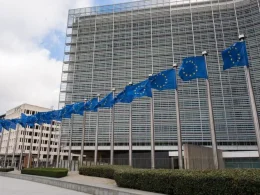









The Council of the European Union has formally approved its conclusions on the new EU maritime industrial strategy, establishing a structured framework to protect European shipping and shipbuilding against intensifying global competition and market distortions.
The strategy underscores the sector’s role in European competitiveness, defence readiness, and decarbonisation, particularly noting that European shipyards currently construct 97% of the world’s cruise ship fleet. However, member states warned of growing strategic dependencies on third-country production, geopolitical tensions, and persistent labour shortages.
The Council expressed concern over unfair subsidisation practices by foreign competitors that undermine fair market access. In response, the conclusions call for a comprehensive assessment of defensive measures, including the deployment of existing trade defence instruments in line with international obligations.
The strategy focuses on reinforcing domestic capabilities in high-tech shipbuilding, ship repair, retrofitting, and ocean engineering to secure the bloc’s long-term strategic autonomy.
To maintain technological leadership, the Council highlighted the need to mobilise strategic investment across the maritime ecosystem, with a focus on small and medium-sized enterprises. The plan encourages the deployment of advanced automation, robotics, and artificial intelligence within maritime manufacturing.
Key initiatives backed by the Council include the “Shipyards of the Future” project and the creation of an EU maritime industrial value chains alliance. These platforms are intended to channel funding into clean propulsion systems and advanced, low-emission vessels.
The Council reaffirmed that reducing maritime emissions requires coordinated action across the entire supply chain, including fuel producers. Member states stressed that the availability of safe, sustainable, and competitively priced alternative fuels is critical to accelerating adoption.
While reinforcing the importance of utilising EU Emissions Trading System revenues for climate-related initiatives, the Council noted the need for regulatory flexibility. The conclusions recommend assessing future adjustments to the FuelEU Maritime, MRV, and maritime ETS frameworks to prevent overlapping costs and administrative burdens should global greenhouse gas reduction measures be adopted.
Addressing rising geopolitical instability, the Council warned of risks associated with the operation of international “shadow fleets.” The strategy advocates for the protection of critical maritime infrastructure and supports the development of dual-use infrastructure capable of serving both civilian and military functions.
The Council also addressed structural workforce challenges, including an ageing demographic and demanding working conditions. Building on the Lefkosia Declaration signed in Cyprus in April 2026, member states called for a coordinated European initiative on maritime skills, focusing on upskilling, reskilling, and attracting younger workers to the sector.