










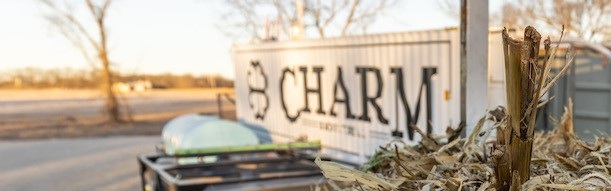
JPMorgan Chase has expanded its carbon dioxide removal (CDR) agreement with climate solutions provider Charm Industrial, purchasing an additional 61,500 tonnes of carbon removal credits.
The agreement represents the second major transaction between the two organisations, bringing JPMorgan Chase’s total carbon removal commitment with Charm Industrial to 90,000 tonnes. As part of the expanded partnership, the financial institution is also providing a $20 million venture debt facility to help the start-up scale its commercial operations.
San Francisco-based Charm Industrial specialises in a technology that converts plant material into a stable, carbon-rich liquid known as bio-oil. The process involves collecting agricultural residues or excess forest biomass generated during wildfire management and processing it through pyrolysis (heating organic material in the absence of oxygen). The resulting bio-oil is then pumped deep underground into secure geological injection reservoirs for permanent sequestration.
The newly provided venture debt facility will be utilised to expand Charm Industrial’s operational capacity in Colorado. The expansion focuses specifically on processing unsaleable forest materials from wildfire mitigation projects, converting hazardous fuel loads into stable carbon storage before they can contribute to catastrophic wildfires.
The transaction stands as one of the largest bilateral offtake agreements for bio-oil carbon removal within the financial services sector. JPMorgan Chase utilises voluntary carbon credits to offset residual emissions from its operations that cannot be directy abated.
Taylor Wright, Head of Operational Sustainability at JPMorgan Chase, stated that the purchase reflects the maturation of the bank’s carbon market portfolio and underscores Charm Industrial’s track record of delivering measurable, durable outcomes.
The contract forms part of a wider sequence of carbon removal investments executed by JPMorgan Chase, which includes credit procurement from forestry-focused platforms and biomass-based removal developers to support the growth of the voluntary carbon market.