



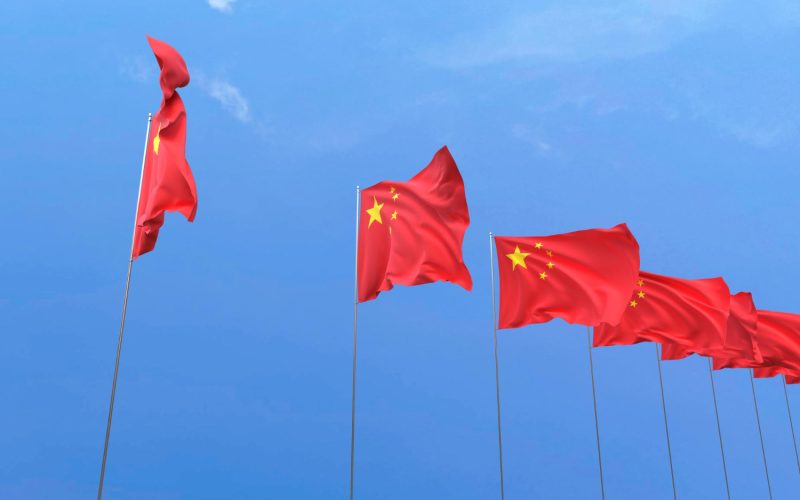
China has initiated the sale of 6 billion yuan (USD 886 million) of green sovereign bonds in Hong Kong. The transaction marks the first ever offering of offshore yuan-denominated green sovereign debt within the city, occurring as Beijing accelerates its presence in international credit markets to secure funding for climate action amidst a global oil shock.
The debt issuance attracted strong institutional demand, indicating sustained international investor confidence in yuan-denominated assets, according to HSBC Holdings, which operated as a joint lead manager and bookrunner for the transaction.
The Ministry of Finance structured the issue into two equal tranches of 3 billion yuan. The three-year short-dated tranche carries a coupon rate of 1.42 per cent, maturing on 4 June 2029. The five-year longer-dated tranche bears a yield of 1.56 per cent, with a maturity date fixed for 4 June 2031.
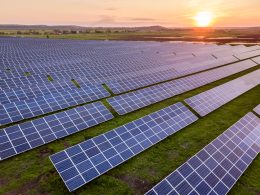
Net proceeds from the sale will be allocated to replenish China’s national fiscal budget by funding or refinancing eligible clean-energy projects under its sovereign green-bond framework.
Paul Chan Mo-po, Hong Kong’s Financial Secretary, commented on the strategic value of the issuance at an official ceremony, stating: “The first issuance of the green sovereign bond will further optimise the yield curve of Hong Kong’s offshore yuan bonds, offer a new investment benchmark to global capital and attract more cross-border yuan fundraising and transactions to Hong Kong. That will further solidify and boost the function of Hong Kong as a hub for the offshore yuan.”
International appetite for yuan assets has been bolstered by Beijing’s ongoing currency internationalisation strategy, alongside a broader effort by global central banks to diversify away from the US dollar amid unpredictable US tariff policies and fiscal pressures. This capital reallocation has intensified following geopolitical escalations in the Middle East, with the yuan emerging as a regional safe-haven asset due to China’s relative insulation from the corresponding energy crisis.
The yuan has appreciated by 3.2 per cent to a three-year high of 6.7701 against the US dollar this year, establishing it as the top-performing currency in Asia. Concurrently, Chinese government bonds rallied across all tenors, pushing the 10-year benchmark sovereign yield down to a nine-month low of 1.71 per cent.
Economists note that the current oil shock presents an ideal window for China to expand its offshore green financing footprint, a mechanism that simultaneously promotes financial use of the yuan and secures the nation’s supply chain leadership in renewable energy. Due to a substantial domestic pivot toward clean energy, which has officially overtaken oil as the country’s second-largest component of consumed energy, China has remained less exposed to soaring crude prices than its regional peers.
The Hong Kong transaction follows a similar offshore green sovereign issuance in London, where Beijing raised 6 billion yuan to fund greenhouse gas reduction, biodiversity conservation, and pollution control initiatives.