




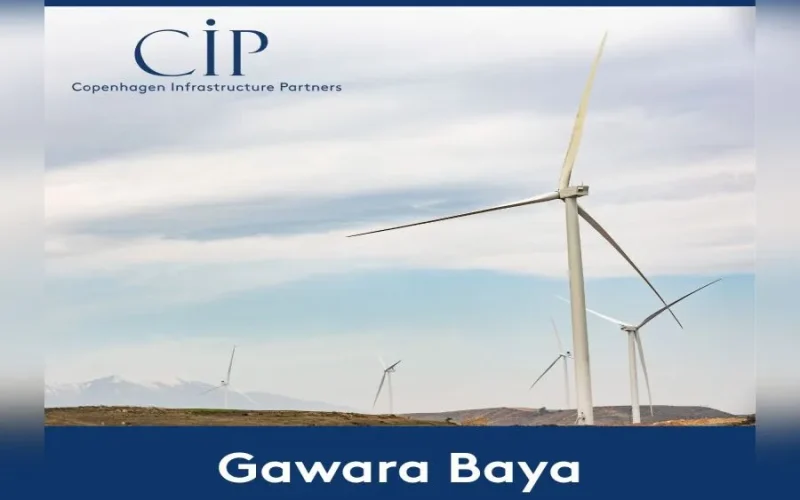
Copenhagen Infrastructure Partners (CIP), acting on behalf of its flagship fund Copenhagen Infrastructure V (CI V), has acquired Gawara Baya, a hybrid onshore wind farm featuring a grid-forming battery energy storage system (BESS) in North Queensland, Australia.
Following the receipt of primary regulatory approvals, CI V reached a final investment decision and completed financial close, securing an AUD 1.7 billion (£860 million) facility backed by a syndicate of 10 banks. CIP acquired the asset from Australian renewable energy developer Windlab. Construction is set to begin, with full commercial operations anticipated in 2030.
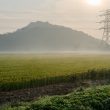
Located on Gugu Badhun Country, south-west of Ingham, Gawara Baya combines a 408 MW onshore wind farm comprising 68 turbines with a 104 MW BESS installation. Once operational, the system will deliver electricity to supply up to 240,000 Australian homes, preventing an estimated 1.2 million tonnes of carbon emissions annually.
The project has secured long-term energy offtake agreements with off-takers including Stanwell and SmartestEnergy, alongside support from the Australian Government’s Capacity Investment Scheme to underpin revenue stability during construction and operations. The development is projected to generate up to 500 direct and indirect jobs and inject more than AUD 200 million into the regional Queensland economy through local procurement and supply chain participation.
Thomas Wibe Poulsen, Partner at CIP, stated: “The acquisition of Gawara Baya is a unique opportunity for CIP to deploy significant near-term capital from our fifth flagship fund to bring the project into operation and deliver critical energy infrastructure for Australians. It demonstrates CIP’s ability to identify and secure assets that can deliver meaningful value for our investors.”
Yi-Hua Lu, Partner at CIP, added: “Gawara Baya is an important addition to our Australian portfolio. The Gawara Baya project represents a significant long-term investment in Queensland, supporting regional jobs, infrastructure development, and the reliable energy supply needed to underpin the state’s continued economic growth. We look forward to working alongside our project partners, the Gugu Badhun People, and local communities as the project now moves into construction.”