









In a major environmental and economic move, global retail and technology giant Amazon has announced its backing of one of the largest nature-based carbon removal initiatives in the world, located in the Eastern Cape of South Africa. The expansive project is set to restore more than fifty thousand hectares of severely degraded landscape, an area roughly double the size of the city of Seattle, by planting an astonishing one hundred and eighty million spekboom shrubs by the end of 2028.
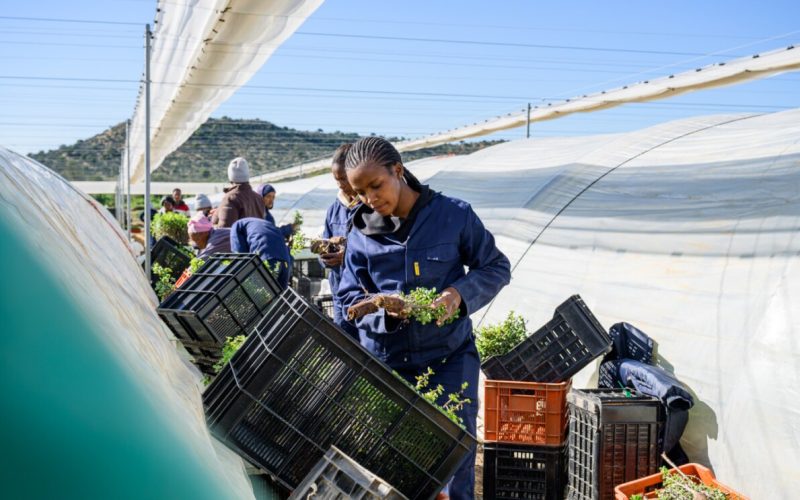
Beyond its vast ecological scale, the initiative aims to revitalise a region that faces severe economic hardship. Organisers project that the scheme will generate approximately eleven thousand jobs by 2030, while simultaneously channelling more than five hundred million US dollars into the surrounding communities through local procurement, landowner payments, community investments, and direct wages.
The focal point of this ambitious restoration strategy is a hardy native succulent known locally as spekboom, or elephant bush. Unlike conventional carbon offset projects that lean heavily on planting traditional trees, this campaign focuses entirely on a species uniquely evolved for the harsh climate of the Albany thicket, an ecosystem that has been in steady decline for decades. Spekboom grows reliably from simple cuttings placed straight into the earth, making massive scalability highly practical.
Scientists have found that mature spekboom can absorb carbon from the atmosphere at rates comparable to young tropical forests. As the plants mature, they gradually cool the local landscape, improve soil health, and restore vital ground moisture. This transformation creates optimal conditions for native grasses, shrubs, and trees to return naturally, followed by a wide array of birds, insects, and mammals that have missing from the area for decades.
Amazon has committed to a long-term purchase agreement of one point nine five million tonnes of high-quality, nature-based carbon removal credits over a span of more than ten years. This massive corporate commitment provided the necessary financial security for the World Bank to launch its innovative Spekboom Outcome Bond, giving initial investors a guaranteed marketplace buyer. The generated carbon credits carry elite international certifications, including the ABACUS label and the Climate, Community and Biodiversity certification, ensuring they represent real and verified carbon dioxide removal.
According to Amazon Chief Sustainability Officer Kara Hurst, who recently inspected the site, the initiative demonstrates how nature-based interventions can effectively support both ecological recovery and socio-economic transformation. The project is already well under way, with an initial phase having commenced in April 2024 to restore ten thousand hectares using thirty million plants. Its unique blend of large-scale environmental reclamation and community benefit has also gained global acclaim, with the United Nations formally naming the spekboom campaign one of its World Restoration Flagship initiatives.