






Amazon has released its 2025 Sustainability Report, revealing an increase in absolute carbon emissions driven by significant corporate growth, even as the retailer achieved improvements in operational carbon intensity and water efficiency.
The e-commerce and cloud computing giant noted that while absolute emissions rose during the year, its overall carbon intensity has decreased by 38 per cent since 2019, alongside a 156 per cent growth in corporate revenue. The firm stated that the expansion of services, including artificial intelligence workloads via Amazon Web Services (AWS), presents opportunities to handle digital and retail migrations more sustainably over the longer term.
In its retail operations, Amazon reduced carbon emissions per shipped unit by 7 per cent year-on-year. Engineering changes to automated packaging infrastructure eliminated more than 288 million single-use plastic bags in North America, raising the proportion of recyclable packaging in the region to 73 per cent. Delivery consolidation options and localised inventory placement reportedly prevented millions of delivery trips and vehicle miles.
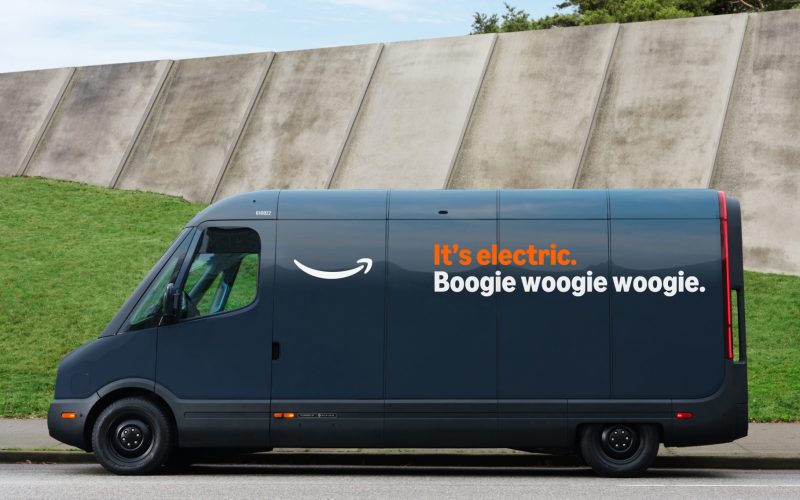
The company’s global low- and zero-emission delivery fleet grew to more than 52,700 electric vans, marking the halfway point toward its target of 100,000 electric delivery vehicles by 2030. In Europe, the firm expanded its use of micromobility hubs utilizing electric cargo bikes and pushcarts for urban deliveries.
Amid surging demand for cloud computing infrastructure, Amazon added more data centre capacity than any other global operator. The report highlighted a global average Power Usage Effectiveness (PUE) rating of 1.14 across its data centres, which the company stated is 9 per cent better than the public cloud industry average. Furthermore, the facilities recorded a 33 per cent improvement in water efficiency, tracking toward a goal to become water-positive by 2030.
Addressing broader value-chain impact, Amazon reported that 62 per cent of its top suppliers have established decarbonisation plans, representing a 23 per cent year-on-year increase. The firm focuses closely on these Scope 3 indirect supply chain emissions, which comprise more than two-thirds of its total carbon footprint.
The Climate Pledge, co-founded by Amazon in 2019 with a target of achieving net-zero carbon by 2040, grew to 656 signatories across 49 countries by the end of 2025. The initiative also launched a new carbon credit service via the Sustainability Exchange to provide science-based credits to suppliers and business customers.