






The European Commission has selected nine hydrogen production projects to receive a total of €1.09 billion in funding following the third auction of the European Hydrogen Bank (EHB). Spread across seven countries within the European Economic Area, the initiatives are expected to deliver 1.1 gigawatts (GW) of electrolyser capacity and produce over 1.3 million tonnes of renewable hydrogen during their first decade of operation.
The projects are projected to avoid approximately 9 million tonnes of CO2 equivalent emissions, supporting the decarbonisation of energy-intensive sectors such as chemicals and transport.
The auction utilised a competitive bidding process to ensure the most cost-effective allocation of the Innovation Fund, which is sourced from the EU Emissions Trading System (ETS). Successful bidders will receive a fixed premium ranging from €0.44 to €3.49 per kilogramme of certified hydrogen produced for a maximum of 10 years.
This subsidy is designed to bridge the price gap between the cost of clean hydrogen production and the current market price, incentivising industrial-scale adoption. The third auction was heavily oversubscribed, attracting 58 bids from 11 countries—more than six times the available budget.
In a significant expansion of the programme, Germany and Spain utilised the “Auctions-as-a-Service” feature, contributing an additional €1.7 billion in national funds. This mechanism allows Member States to fund high-quality projects within their own borders that participated in the EU auction but fell outside the central budget.
- Germany: Will provide up to €1.3 billion to support domestic hydrogen production.
- Spain: Will contribute up to €440 million.
This coordinated approach reduces administrative hurdles and allows three projects in Spain and three in Denmark to potentially access these additional funding streams.
The funding is part of a broader strategy to secure Europe’s industrial leadership in net-zero technologies and enhance energy security. The Innovation Fund, which oversees the budget, has a total estimated pool of €40 billion available through 2030 to support the transition to climate neutrality.
The European Climate, Infrastructure and Environment Executive Agency (CINEA) will now begin preparing grant agreements, with formal signings expected in the final quarter of 2026. Selected developers face strict milestones:
- Financial Close: Must be reached within two and a half years of the grant signature.
- Operational Start: Projects must enter operation within five years.
- Guarantees: Completion guarantees must be provided to the Commission to ensure delivery.
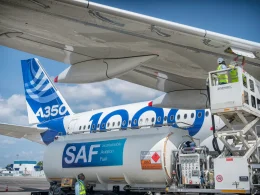
This auction marks the first time the EHB has included dedicated funding streams for electrolytic low-carbon hydrogen and specific incentives for producers supplying the maritime and aviation sectors, highlighting a targeted push to clean up the hardest-to-abate transport industries.