






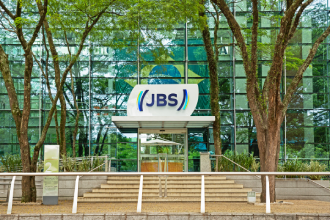
Brazil-based JBS, the world’s largest beef processor, has scrapped its target to achieve net-zero emissions by 2040, opting instead to focus on areas within its direct operational control.
The meat processing giant will maintain its existing commitment to reduce the intensity of its Scope 1 and Scope 2 emissions by 30% by 2030, measured against a 2019 baseline. Alongside this, JBS has introduced a new long-term goal to cut emissions from its processing facilities by 70% by 2050.
The decision marks a significant shift from the ambitious 2040 net-zero pledge announced five years ago. Speaking to the Financial Times, JBS Chief Sustainability Officer Jason Weller explained that while bold ambition is fine, the company now requires measurable and accountable goals.
Under the Greenhouse Gas Protocol, Scope 1 and 2 cover direct operations and purchased energy, which together accounted for less than 4% of the company’s total emissions last year. JBS reported that by the end of last year, it had already reduced the intensity of these direct processing emissions by 21.3% against the 2019 baseline.
However, the decision to step away from a comprehensive net-zero target that includes Scope 3 emissions—which encompass the broader supply chain and represent the vast majority of a food manufacturer’s footprint—has drawn sharp criticism. Daniela Montalto, a campaigner at Greenpeace International, labelled the move unspeakably reckless, stating that the company’s supply chain is responsible for massive methane emissions.
The policy shift follows legal scrutiny in the United States, where JBS recently settled a lawsuit with the New York Attorney General’s office. The suit alleged that the company lacked a viable plan or factual basis for its original 2040 net-zero claims. JBS stated the settlement did not reflect an admission of wrongdoing and maintained that it remains driven to advance sustainable agriculture.
JBS is not alone in reassessing its climate timelines. Other major consumer goods firms, including PepsiCo, The Coca-Cola Company, and Unilever, have also recently adjusted their environmental targets in response to external realities.
Addressing the supply chain challenge, Weller noted that JBS is not discounting the importance of Scope 3 emissions, but aims to reorient its strategy to build a more productive framework for agriculture, which it believes will naturally deliver secondary emission reductions.