







Nescafé sourced 53 per cent of its green coffee from farmers utilising regenerative agriculture practices in 2025, according to the brand’s latest Nescafé Plan 2030 Progress Report. The growth was driven by expanded field programmes and modified procurement strategies designed to incentivise sustainable farming methods.
The agricultural shift helped Nescafé achieve an 18.3 per cent reduction in greenhouse gas emissions from green coffee compared to its 2018 baseline. To support the transition, the Nestlé-owned brand deployed more than 1,600 agronomists across 15 countries to train farmers in soil-health practices, such as agroforestry, cover cropping, and optimised fertilisation.
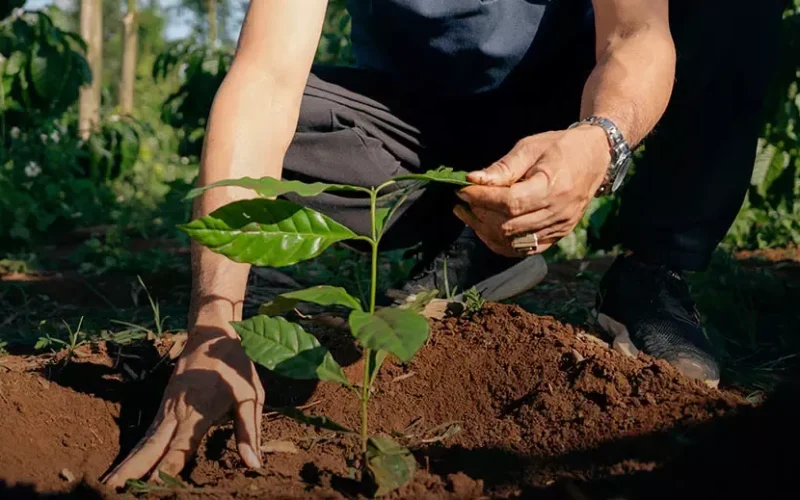
- Plot renovation: To combat the declining productivity of aging trees and mitigate climate risks, Nescafé distributed 20.3 million resilient coffee plantlets to farmers to renovate their plots.
- Responsible sourcing: In 2025, 94.3 per cent of Nescafé coffee was classified as responsibly sourced, ensuring the beans were traceable to specific farmer groups and independently verified against compliance requirements.
- Renewable operations: Within its internal manufacturing operations, 98.6 per cent of the electricity utilised across Nescafé coffee production sites was renewably sourced.
The report also detailed structural measures taken to enhance supply chain governance and labour rights. Nescafé co-developed a Child Protection Framework with non-governmental organisation Terre des Hommes to reinforce safety systems within regional harvesting communities. Furthermore, the brand extended its operational partnership with the International Labour Organisation (ILO) in 2026 to advance workplace and labour rights across its shared global supply chains.
Antje Shaw, Head of Sustainability for Nescafé said, “With more than half of our green coffee sourced from farmers adopting regenerative agriculture practices in 2025, Nescafé has reached a major milestone. This shows how we are working with farmers to scale regenerative agriculture across our coffee supply chain. We aim to support farmers in this transition, strengthen resilience to climate change and help secure Nestlé’s long-term access to coffee, a key growth driver for the company.”