







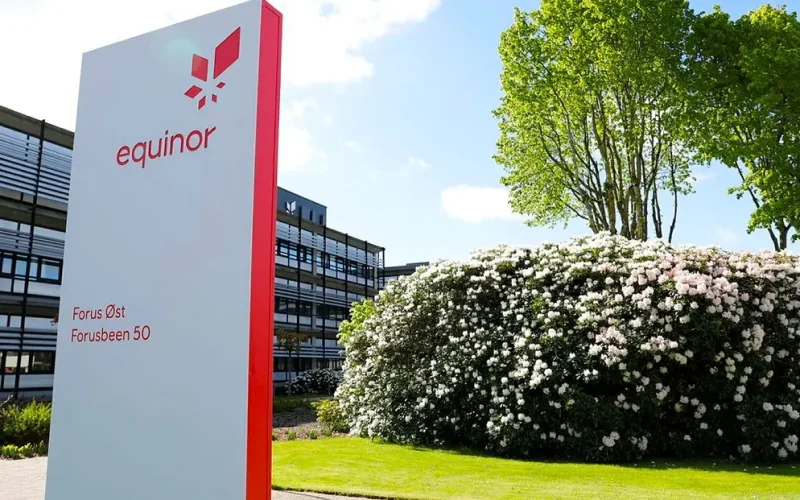
Norwegian state energy group Equinor has formally abandoned its 2030 installed renewable energy capacity target and scaled back its clean energy investment plans in a strategic pivot toward oil and gas production.
The strategy update follows a wider sector trend, mirroring recent decisions by industry peers BP and Shell to pull back from ambitious renewable transitions. Equinor has scrapped its long-held goal of establishing 10 to 12 gigawatts of installed green capacity by 2030, replacing it with a broader “Power” generation outlook that includes gas-fired electricity, battery storage, and energy trading.
Strategic readjustments
- Capital spending cuts: Equinor has lowered its capital expenditure allocation for its integrated power business area to just 10 per cent, rolling back a prior target to dedicate half of its 2030s budget to renewables.
- Production pivot: Whilst abandoning the capacity target, the company projects a fourfold increase in electricity generation to 20 terawatt hours by 2030, driven primarily by assets already under construction. Concurrently, Equinor has raised its oil and gas output forecasts.
- Carbon capture scaled back: The utility also dropped its target to transport and store 30 to 50 million metric tonnes of carbon dioxide annually by 2035, citing a slow-moving commercial carbon market.
The corporate realignment reflects rising capital costs and thinning project pipelines across the wind and solar sectors, pushing the company to prioritise profitable baseload and fossil fuel extraction.
Anders Opedal, Chief Executive Officer of Equinor, stated during a presentation to analysts: “We are not replacing one business with another. Instead, we are developing multiple pathways in parallel: oil and gas, power and renewables, and new low-carbon solutions. We never chased [the capacity target] either. The ambition had always been to develop a profitable business, but as costs in the renewable energy sector increased, the project pipeline became thinner.”