








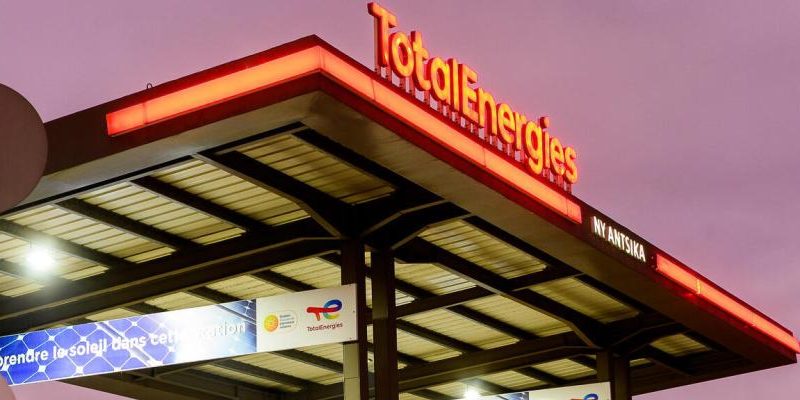
A Paris court has ruled that French oil major TotalEnergies must explicitly disclose the climate risks tied to the emissions from its oil and gas products and formulate clear plans to mitigate them.
The decision represents a partial victory for a coalition of climate change non-governmental organisations (NGOs) and the City of Paris, who have spent years fighting to apply France’s landmark 2017 corporate duty of vigilance law to global climate change. However, the ruling stopped short of granting the plaintiffs’ core demands, as judges declined to order binding emissions reduction targets or block overseas exploration and production projects.
The ruling comes amid a highly volatile period for global climate litigation against oil majors. It follows a high-profile case in the Netherlands where a landmark corporate emissions-cutting order against Shell was overturned on appeal.
In a statement summarising the judgement, the Paris Judicial Court confirmed that the systemic climate risks related to a company’s core operations fall squarely within the scope of the duty of vigilance law. The court noted that whilst the law does not hold a single corporation responsible for global risks resulting from centuries of industrial human activity, it legally requires them to act according to their specific operational scale.
The judges explicitly addressed the contentious issue of Scope 3 emissions — those generated when consumers burn the fuel a company sells. The court stated that the extracting, refining, and marketing of a barrel of oil inevitably leads to its combustion, ruling that TotalEnergies possesses direct leverage to influence and reduce its clients’ emissions footprint.
TotalEnergies has been ordered to present an updated vigilance plan to the court for review within six months. Should the judiciary find the revised measures insufficient to address these indirect emissions, the court retains the authority to mandate additional corporate steps.
TotalEnergies stated it is currently reviewing its legal options but confirmed it will comply with the disclosure order. The company intends to augment its vigilance plan using existing data from its sustainability reports, highlighting current initiatives that assist clients in transitioning to biofuels and renewable electricity.
The energy giant expressed satisfaction that the court rejected the NGOs’ demands to block new oil and gas developments or enforce rigid production caps, noting the ruling confirms that determining specific corporate targets is outside the jurisdiction of the courts.
The legal challenge was originally launched in 2020 by a coalition including Association SHERPA, Notre Affaire à Tous, France Nature Environnement, and the municipality of Paris. Though initially thrown out as inadmissible in 2023, the case was revived on appeal, overcoming formal opposition from French prosecutors who had argued the duty of vigilance law was never intended to regulate climate change.
The coalition hailed the judgement as a structural victory, stating that the court’s recognition of a fossil fuel company’s responsibility for its consumer-led emissions marks a significant precedent for future climate accountability.