








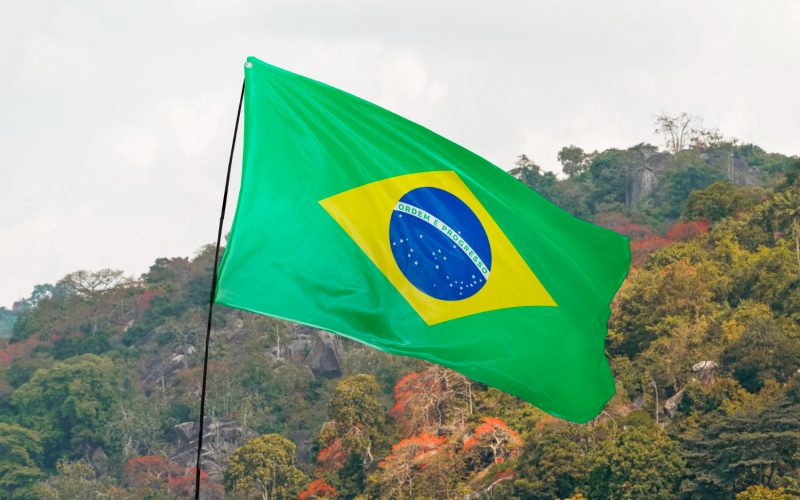
The World Bank Group has partnered with the Banco Nacional de Desenvolvimento Econômico e Social (BNDES) to launch a $1.06 billion financing facility designed to decarbonise Brazil’s energy-intensive and high-value-added industrial sectors.
The operation comprises a $1 billion loan from the International Bank for Reconstruction and Development (IBRD) alongside a $60 million loan from the Clean Technology Fund. Distributed through BNDES, the initiative is expected to mobilize an additional $1.8 billion in commercial and development co-financing, supporting Brazil’s national target to reduce the greenhouse gas intensity of its industrial GDP by 30 per cent by 2033.
The funding model aims to de-risk early-mover private sector capital across hard-to-abate sectors, leveraging Brazil’s high proportion of renewable electricity to build long-term industrial competitiveness.
Key target sectors and operational pillars include:
- Low-Carbon Industrial Commodities: Direct capital allocation for heavy industrial operations, including steel, cement, chemicals, glass, and aluminium, to reduce direct process emissions.
- Low-Carbon Fuels Infrastructure: Financing for commercial production facilities targeting sustainable aviation fuel (SAF), e-methanol, and biomethane for aviation and maritime transport.
- Shared Industrial Assets: Capital deployment for common-user infrastructure, including regional green hydrogen and ammonia storage facilities and distribution pipelines to lower entry barriers for industrial users.
Cécile Fruman, World Bank Director for Brazil, stated: “Brazil’s clean energy matrix is one of its greatest competitive advantages. This project is about turning that advantage into a driver of industrial transformation, one that reduces emissions, attracts investment, and creates quality jobs in the industries of tomorrow. By working with BNDES, we are combining the reach of Brazil’s premier development bank with the World Bank’s global experience towards a more prosperous and more sustainable Brazil.”