



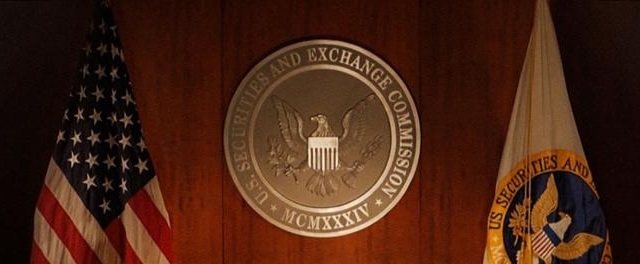
The US Securities and Exchange Commission (SEC) announced that it will not file charges against major asset managers regarding their engagements with climate investor group Climate Action 100+ (CA100+).
However, Wall Street’s principal financial regulator issued a rare Report of Investigation warning institutional investors that collaborative corporate engagement could jeopardise their passive investor status and trigger stricter disclosure obligations.
The ruling provides regulatory clarity for major fund managers, including BlackRock, Vanguard, and State Street, which avoid potential financial penalties. Nevertheless, the agency instructed large asset managers to review their regulatory filings ahead of the upcoming proxy season.
Key findings and regulatory highlights include:
- Passive status reporting: The SEC report noted that membership in collaborative groups seeking to influence corporate governance—such as supporting dissident board candidates—can disqualify asset managers from utilizing simplified “passive investor” Schedule 13G reporting, requiring the more onerous Schedule 13D filings instead.
- Exxon proxy battle: The 2021 ExxonMobil shareholder meeting marked a major shift in corporate governance when BlackRock, Vanguard, and State Street voted to elect independent directors proposed by activist hedge fund Engine No. 1, which was supported by CA100+.
- Political & regulatory pressure: Following executive orders from the Trump administration regarding environmental, social, and governance (ESG) factors and scrutiny from congressional committees, BlackRock and State Street scaled back or ended their formal participation in CA100+ in early 2024.
- Pension fund influence: The SEC report detailed how several public pension funds within CA100+ previously pressured asset managers to adopt firmer stewardship positions on climate transition strategies.
Jim Moloney, Director of the SEC’s Division of Corporation Finance, stated that while individual shareholders retain the right to express views and explain voting decisions, organised engagement campaigns following structured playbooks require rigorous compliance with ownership reporting rules.
Michael Boudett, General Counsel for sustainability non-profit Ceres, which coordinates CA100+ in North America, stated that the organization operates within US securities law to assist investors in evaluating climate-related financial risks, adding that participating investors make independent voting decisions.