


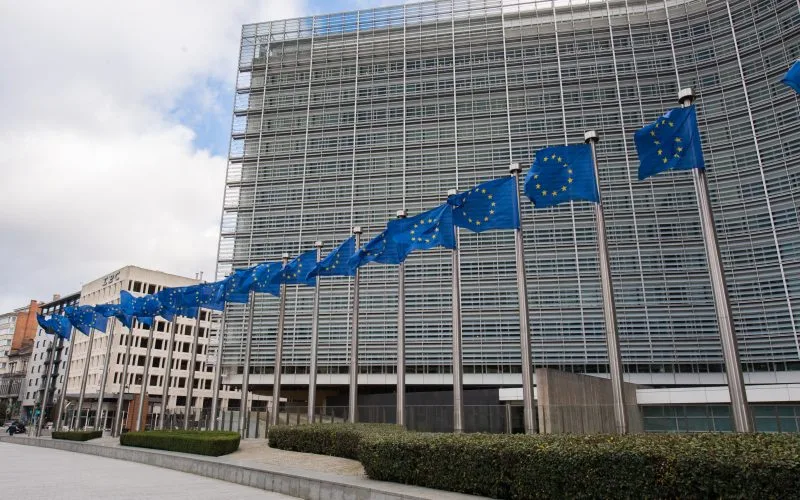
The European Parliament has voted to approve its negotiating position on amendments to the European Union’s Carbon Border Adjustment Mechanism (CBAM), backing an extension of its scope to include downstream finished goods alongside the establishment of a Temporary Decarbonisation Fund (TDF).
The plenary adopted its stance for negotiations with EU member states by 464 votes to 50, with 159 abstentions. Under the approved text, the mechanism will expand beyond basic raw materials to encompass finished steel and aluminium items, including fasteners, wire, springs, and household goods. MEPs also introduced a specific exemption for non-EU electricity flows utilized by grid operators to preserve network stability.
To address circumvention risks, Parliament voted to lower the threshold that classifies minor product modifications as regulatory evasion, while refining rules to focus exclusively on arrangements created to avoid CBAM obligations. The position grants the European Commission authority to apply default carbon intensity values based on a product’s true country of origin whenever circumvention patterns are identified.
Key policy amendments and fund structures adopted by Parliament include:
- Scope and price shock measures: MEPs rejected a Commission proposal to temporarily remove goods from CBAM coverage during price spikes. Instead, the approved text introduces a mechanism to temporarily channel CBAM revenue generated by affected goods back into the impacted sectors.
- International frameworks: Parliament introduced simplified reporting provisions and technical assistance for least-developed nations. Concurrently, MEPs removed a proposal allowing Paris Agreement Article 6 carbon credits to count toward CBAM compliance, deferring carbon credit integration to future EU Emissions Trading System (ETS) revisions.
- Temporary Decarbonisation Fund (TDF): Parliament voted 433 to 97, with 146 abstentions, to establish the TDF to support EU exporters facing carbon costs. MEPs proposed operating the fund from 2027 to 2029—accelerating the Commission’s proposed 2028 start date—and expanded eligibility to downstream operators and fertilizer producers handling inputs such as urea, ammonium nitrate, and ammonium sulphate. Residual revenues are slated for allocation toward international climate finance commitments.